One of the most crucial stages in any building project in Montreal is the design and construction of foundations, as it has a direct impact on structural longevity, safety, and performance. Foundations involve the engineering discipline tasked with transferring structural loads to the underlying soil or rock in a way that avoids excessive settlement, bearing capacity failure, or instability. Because of Montreal's distinct geological history and harsh climate, foundation systems need to be meticulously adapted to site-specific conditions, varying from shallow footings for single-family homes on stable till to deep foundation solutions for high-rise towers in the dense downtown area. A deep comprehension of local ground behavior is not just a recommended practice but a regulatory and practical requirement.
Montreal's subsurface conditions are heavily influenced by its glacial past and the presence of the St. Lawrence Lowlands sedimentary basin. Much of the island and surrounding areas are underlain by a variable stratigraphy of glacial till, marine clay deposits from the post-glacial Champlain Sea, and bedrock consisting primarily of limestone and shale. The sensitive Leda clay, found in many parts of the region, poses a particular challenge due to its potential for significant strength loss when disturbed, requiring specialized investigation and design approaches. Additionally, the water table is often near the surface, complicating excavations and demanding robust waterproofing and drainage strategies. These geotechnical realities make site-specific geotechnical investigation an indispensable precursor to any foundation design in the Montreal area.
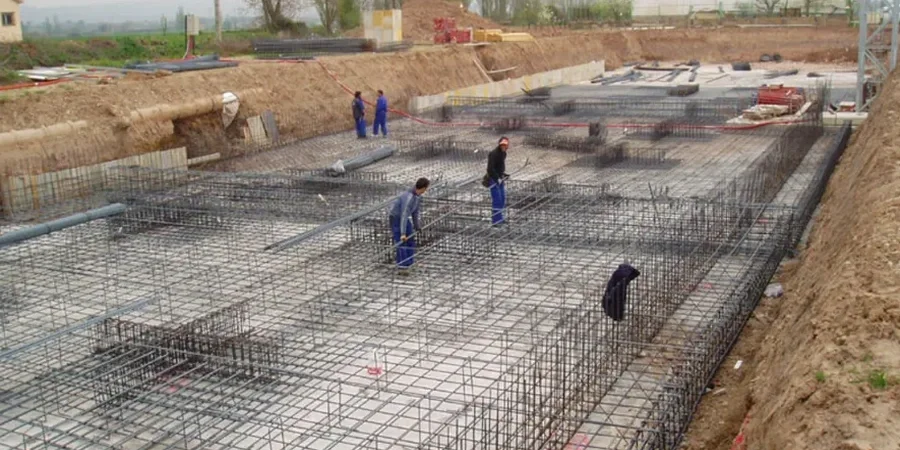
Foundation design in Montreal is governed by a stringent framework of national and provincial codes. The primary standard is the National Building Code of Canada, as amended by the Régie du bâtiment du Québec, which mandates that all foundations be designed according to the Canadian Foundation Engineering Manual and the relevant sections of the Canadian Highway Bridge Design Code for transportation structures. For deep foundations, the design of pile foundation design must adhere to the rigorous static and dynamic testing protocols outlined in CSA standards. In seismic zones, which include Montreal, the code requires detailed assessments of liquefaction potential and lateral spreading, particularly in areas underlain by loose saturated sands and silts. These regulations ensure that every foundation, from a residential basement to a major infrastructure project, meets minimum safety and performance criteria against the region's specific hazards.
The types of projects requiring comprehensive foundation engineering in Montreal are diverse and ever-present. Major residential developments, such as the mid-rise condominium projects in Griffintown or the multiplex infills in Rosemont, often demand engineered shallow foundations or, where soils are poor, a transition to deep foundation systems. Iconic commercial and institutional projects, like the towers of the Quartier des Spectacles or university research facilities, routinely rely on advanced deep foundations to reach competent bearing strata. Infrastructure works, including bridge abutments, overpasses, and retaining walls for the REM light-rail network, also fall squarely within this category, requiring designs that account for dynamic loads and aggressive de-icing salts. Even smaller-scale projects, like a home extension on a sloping lot in Outremont, benefit from a professional assessment to avoid costly underpinning or drainage failures down the line.
Available services
Questions and answers
What is the typical depth required for foundations in Montreal to avoid frost heave?
According to Montreal's building code, foundations must be placed at a minimum of 1.4 meters below finished grade to stay beneath the frost line, thereby preventing heave. This necessary depth can differ depending on local soil types, snow cover, and insulation, but it is an essential minimum for any permanent structure.
How do local marine clay deposits affect foundation design in the Montreal region?
The sensitive marine clay, especially Leda clay, can experience a significant reduction in strength when disturbed or loaded beyond its preconsolidation pressure. Foundation design must address this by employing deep pile systems that bypass the clay, carefully controlling excavation-induced movements, and performing thorough settlement analysis to prevent long-term structural damage.
What are the main advantages of using deep foundations over shallow ones in Montreal's urban core?
Deep foundations, including driven piles or drilled shafts, transfer loads through weak surface soils to competent bedrock or dense till, bypassing problematic urban fill and compressible clays. They also reduce settlement, withstand high lateral loads from wind and seismic events, and lower the risk of damaging nearby heritage structures during excavation.
Is a seismic analysis always required for foundation design in Montreal under the current codes?
Montreal is indeed classified as a moderate to high seismic hazard zone. The National Building Code of Canada requires a seismic site classification and analysis for most structures. This necessitates evaluating soil liquefaction potential, dynamic soil properties, and lateral earth pressures to ensure the foundation can withstand ground shaking without catastrophic failure.